A Comprehensive Guide to the Numerous Kinds Of Oil Field Equipment and Pipeline Equipment Available
The oil and gas market relies heavily on specific tools for effective extraction and transportation. Different types of equipment, from drilling rigs to tank, play important functions in this intricate process. Each piece of tools serves distinct features that contribute to total functional success. Comprehending these elements is essential for any person associated with the field. As the market develops, so as well do the technologies that support it. What improvements are on the perspective?
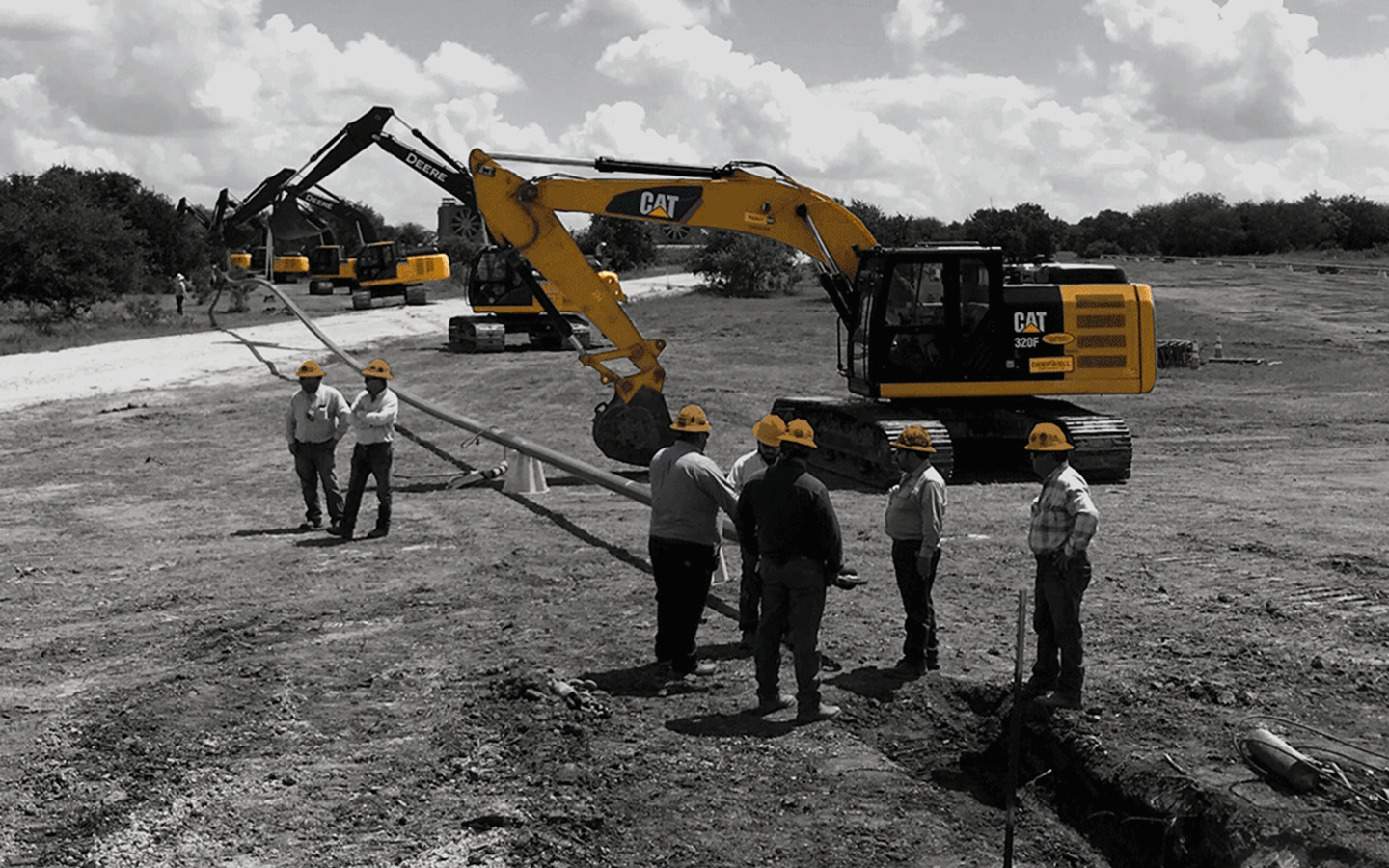
Drilling Rigs: The Backbone of Oil Expedition
Drilling rigs function as the vital equipment in the domain of oil expedition, allowing business to gain access to hydrocarbon gets hidden deep underneath the Planet's surface. These rigs can be found in numerous types, including land rigs, offshore rigs, and mobile systems, each developed to run in particular settings. Geared up with advanced modern technology, drilling rigs can penetrate geological developments with precision, making certain efficient source extraction. The structural stability and operational abilities of these rigs are critical, as they have to stand up to severe problems and considerable pressures. Moreover, the option of an exploration gear impacts the total project cost and timeline, making it an essential consideration for oil business seeking to enhance their expedition efforts and make best use of productivity in their procedures.
Pumps: Important for Liquid Activity
In the oil removal process, the duty of pumps is substantial, helping with the activity of liquids throughout numerous phases of production. Pumps are essential for transferring crude oil, water, and other fluids from underground reservoirs to the surface and afterwards via pipes to refineries. They come in numerous types, including centrifugal, favorable variation, and completely submersible pumps, each serving certain objectives based upon the fluid features and operational needs. Centrifugal pumps are generally used for their effectiveness in high-flow applications, while favorable displacement pumps excel in taking care of thick liquids. The selection of pump effects general performance, operational safety and security, and upkeep expenses. Appropriate selection and maintenance of pumps are crucial for optimizing production and reducing downtime in oil area procedures.
Shutoffs: Managing Flow and Pressure

Valves play a vital function in taking care of the flow and pressure of fluids within oil areas and pipelines. Numerous sorts of valves serve unique applications, each developed to satisfy details features fundamental for effective procedure - Superior Oilfield Rentals. Recognizing the attributes and uses of these shutoffs is crucial for optimizing system efficiency and safety and security
Kinds of Valves
Essential elements in oil area procedures, shutoffs play a crucial function in controlling the circulation and pressure of liquids within pipes and tools. Different sorts of valves are utilized to satisfy the diverse demands of oil and gas manufacturing. Common types include entrance valves, which supply a straight-line flow and minimal stress decrease; world shutoffs, recognized for their strangling capacities; and sphere shutoffs, identified for their fast on/off control. Furthermore, check valves stop heartburn, while butterfly valves offer a lightweight option for regulating circulation. Each valve kind is developed with certain products and setups to withstand the harsh conditions frequently located in oil fields, making sure dependability and effectiveness in procedures. Understanding these kinds is crucial for reliable system administration.
Valve Applications and Functions
While numerous kinds of valves serve unique purposes, their key applications focus on controlling flow and stress within oil and gas systems. Valves such as gate, world, and round shutoffs control liquid activity, guaranteeing peak efficiency and safety and security. Gateway valves are frequently used for on/off control, supplying marginal circulation resistance. World shutoffs, on the various other hand, offer precise flow regulation, making them suitable for throttling applications. Ball shutoffs are preferred for their quick operation and limited sealing capacities. In addition, stress alleviation valves are critical for protecting against system overpressure, protecting tools integrity. In general, the ideal selection and application of valves improve functional efficiency, ensuring the trusted transport of oil and gas with pipes and handling centers.
Compressors: Enhancing Gas Transport
Compressors play a vital duty in the efficient transport of gas, making certain that it moves smoothly with pipes over cross countries. These tools increase the pressure of gas, enabling it to get rid of friction and elevation modifications within the pipeline system. Furthermore, compressors assist in the harmonizing of supply and need, suiting variations in consumption and production rates. Various kinds of compressors are used in the sector, consisting of centrifugal, reciprocating, and rotating screw compressors, each offering distinctive benefits based upon the operational demands. Routine maintenance of these compressors is necessary to optimize performance and decrease downtime, inevitably adding to a reliable gas transportation network. Their critical function emphasizes the relevance of compressors in the total oil and gas facilities.
Storage Tanks: Safe and Reliable Fluid Monitoring
Efficient transport of gas relies upon numerous support group, one of which is the proper monitoring of storage tanks. These containers play a crucial duty in safely containing liquids, making sure that operational performance is check my site preserved while reducing ecological risks. Created from long lasting materials, they are made to stand up to high pressures and harsh aspects. Properly sized and purposefully located, storage tanks assist in the smooth flow of all-natural gas and other liquids, avoiding traffic jams in supply chains. Routine maintenance and tracking are vital to detect leaks or architectural concerns, promoting safety and security and compliance with regulatory requirements. Inevitably, the efficient monitoring of storage containers is vital for the total integrity and dependability of the oil and gas industry's fluid handling systems.
Pipeline Equipments: Framework for Transportation
Pipeline systems function as the backbone of the oil and gas sector, facilitating the effective transport of hydrocarbons over vast distances. These systems are composed of various components, consisting of pipelines, shutoffs, pumps, and compressors, all carefully created to assure seamless flow. The materials made use of in pipeline building and construction, typically steel or high-density polyethylene, are chosen for durability and resistance to rust. Pipeline networks can extend across land and water, connecting production sites to refineries and warehouse. Furthermore, progressed modern technology makes it possible for real-time monitoring of flow rates and pressure levels, enhancing operational efficiency. The tactical placement of these pipelines lessens ecological effect while taking full advantage of resource availability, consequently playing a crucial duty in conference power demands internationally.
Safety And Security Equipment: Making Sure Employee and Environmental Defense
The procedure of pipeline systems, while necessary for power transportation, likewise presents significant safety difficulties for employees and the setting. Security devices plays a considerable function in reducing these risks. Individual safety equipment (PPE) such as helmets, handwear covers, and non-slip footwear safeguards workers from physical hazards. In addition, click this gas discovery systems keep track of for leaks, making certain that unsafe compounds do not position a threat to employees or the bordering environment. Emergency closure systems are critical for swiftly halting procedures during a crisis, protecting against prospective disasters. Spill control materials, consisting of absorbents and barriers, are basic for lessening environmental influence. In general, spending in all-inclusive safety and security equipment is critical for preserving operational stability and protecting both employees and the environment in the oil and gas market.
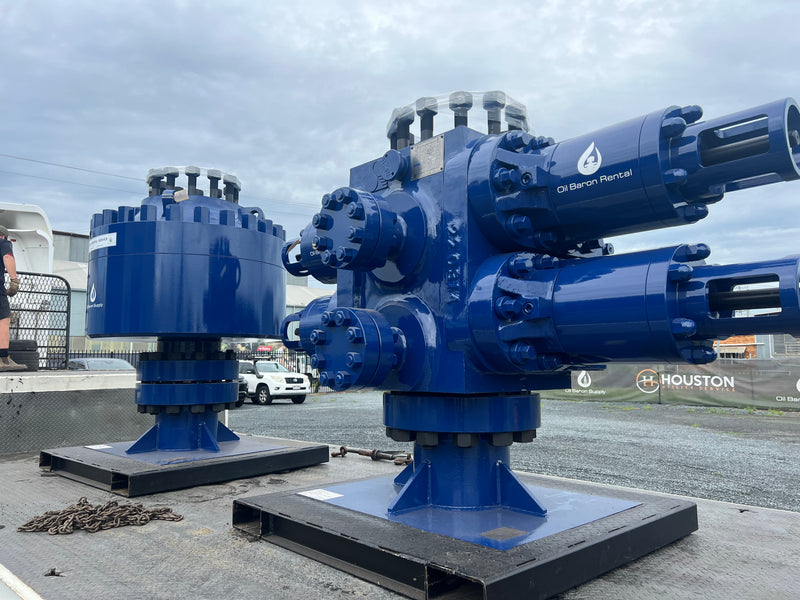
Often Asked Inquiries
Just how Do I Choose the Right Oil Field Equipment for My Project?
Choosing the right oil field equipment involves evaluating project specifications, budget constraints, and operational needs. Take into consideration factors such as equipment integrity, compatibility with existing systems, and the distributor's reputation to assure peak efficiency and security.
What Are the Maintenance Demands for Oil Field Equipment?
Maintenance requirements for oil area devices include routine evaluations, more helpful hints lubrication, and timely fixings. Operators needs to additionally stick to producer guidelines, display efficiency metrics, and assurance compliance with safety and security guidelines to improve longevity and performance.

Exactly How Can I Ensure Compliance With Environmental Rules?
To assure compliance with ecological guidelines, companies have to perform normal audits, implement finest techniques, purchase training, keep correct documentation, and remain upgraded on regulation (Superior Oilfield pipeline equipment rentals). Partnership with environmental companies can likewise boost adherence to policies
What Is the Typical Life-span of Pipeline Equipment?
The typical life expectancy of pipeline equipment commonly varies from 20 to 50 years, depending on factors such as worldly quality, ecological problems, and upkeep techniques. Normal inspections can greatly influence durability and operational efficiency.
How Do I Safely Transfer Oil Field Equipment to Remote Locations?
Carrying oil field equipment to remote locations calls for mindful preparation, including route assessment, securing authorizations, utilizing suitable cars, and guaranteeing safety methods are adhered to. Appropriate training and communication among staffs are necessary for effective transportation.